
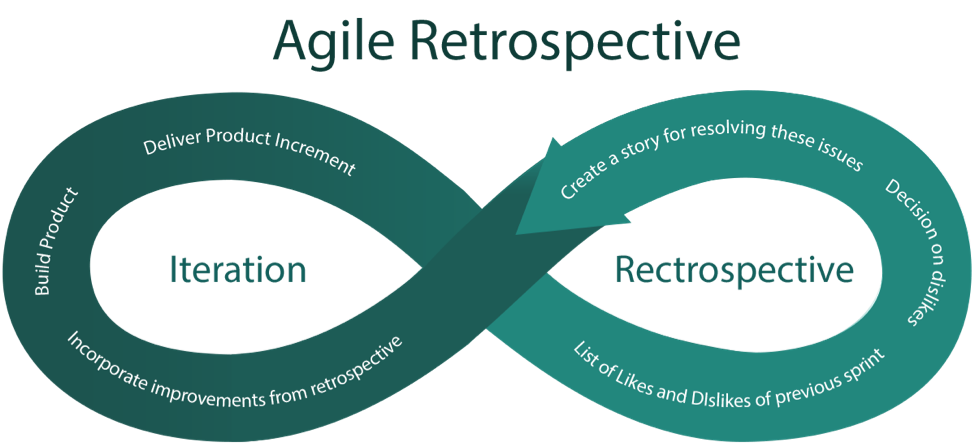
Source: AgileRetrsopectives.com (Parsons, 2015)
Whilst conducting an agile retrospective, it is imperative to consider essential elements that must be included. The purpose of any retrospective is to aid a development team in identifying what worked and what did not throughout a project. During the retrospective phase, strengths and weaknesses as well as opportunities for improvement are uncovered so that actionable steps can be taken to improve the team’s success. The best measure of a retrospective is the trend of success over time, from project to project. Throughout this article, you will find an explanation of what can be found in a high-quality retrospective.
Celebrating Achievements
It’s critical to state what was done well. Not only does it increase the morale of the team, it also is a way to evaluate how successful changes were made so that those conditions can be mirrored on future projects (Hazrati, 2009). Mutual beneficial outcomes will occur as team members feel recognized and the team examines the circumstances under which they are most likely to succeed.

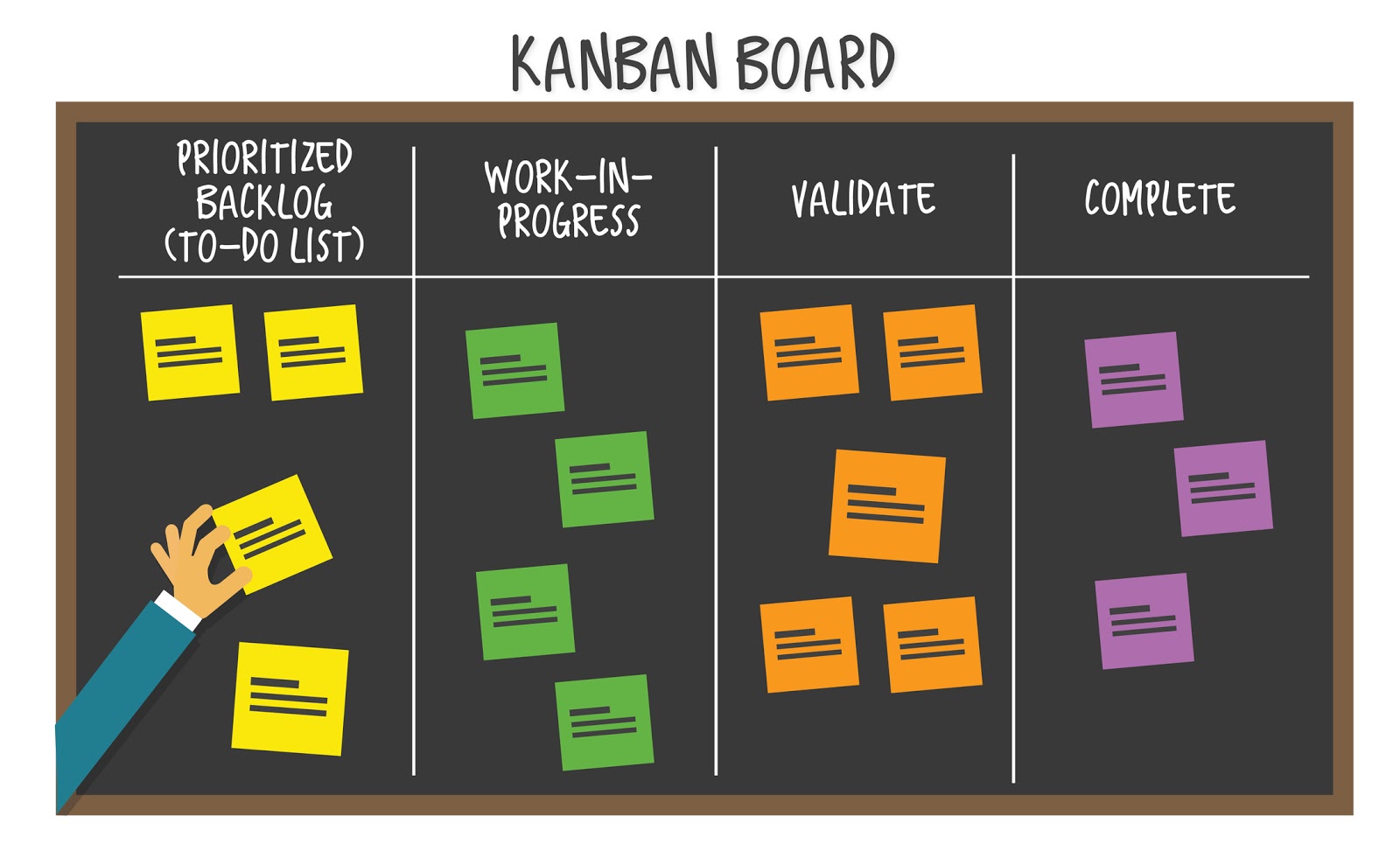
Source: GlobalOutsourcing.com (Smith, 2019)
Examining Issues
What was unsuccessful? Why was it in unsuccessful? It’s important that team members feel comfortable being candid and open about what went wrong. The team must work together to examine patterns and potential contributors. It’s important that blame is not placed and problems are examined closely and understood, rather than attempting to resolve immediately (Crowder, 2015). Before the evaluating improvements phase of the retrospective, relevant variables must be identified and feedback should be collected. It is common that throughout doing so, the root cause is uncovered and the improvements that are suggested thereby become more appropriate and effective.
Evaluating Improvements
This is the actionable step where a plan is created to improve. Given that everyone on the team feels heard and issues have been brought to light, the team must shift their focus from the past to the future. Everything the team decides to start and stop doing should directly relate to a problem being solved and be realistically able to be implemented. Major process and structural changes can uproot and overwhelm team members. This is why it is important to make sure the solutions relate directly to the problems addressed. The relation between issue and improvement should be clear to everyone. Finally, improvement occurs over time (Atlassian, 2019). All issues will not be fixed over one sprint or even a single process as agile is a dynamic, iterative process and teams are constantly pivoting to address new concerns.
Sources:
Atlassian. “How to Run an Agile Retrospective Meeting with Examples.” Atlassian, Atlassian, http://www.atlassian.com/team-playbook/plays/retrospective.
Crowder, J., & Friess, S. (2015). Agile Project Management: Managing for Success. Cham: Springer International Publishing.
Hazrati, Vikas. “Key Elements of a Successful Agile Retrospective: Preparation and Participation.” InfoQ, InfoQ, 8 Sept. 2009, http://www.infoq.com/news/2009/09/key-elements-agile-retrospective.







 Project Management